The War Artists Advisory Committee (WAAC)
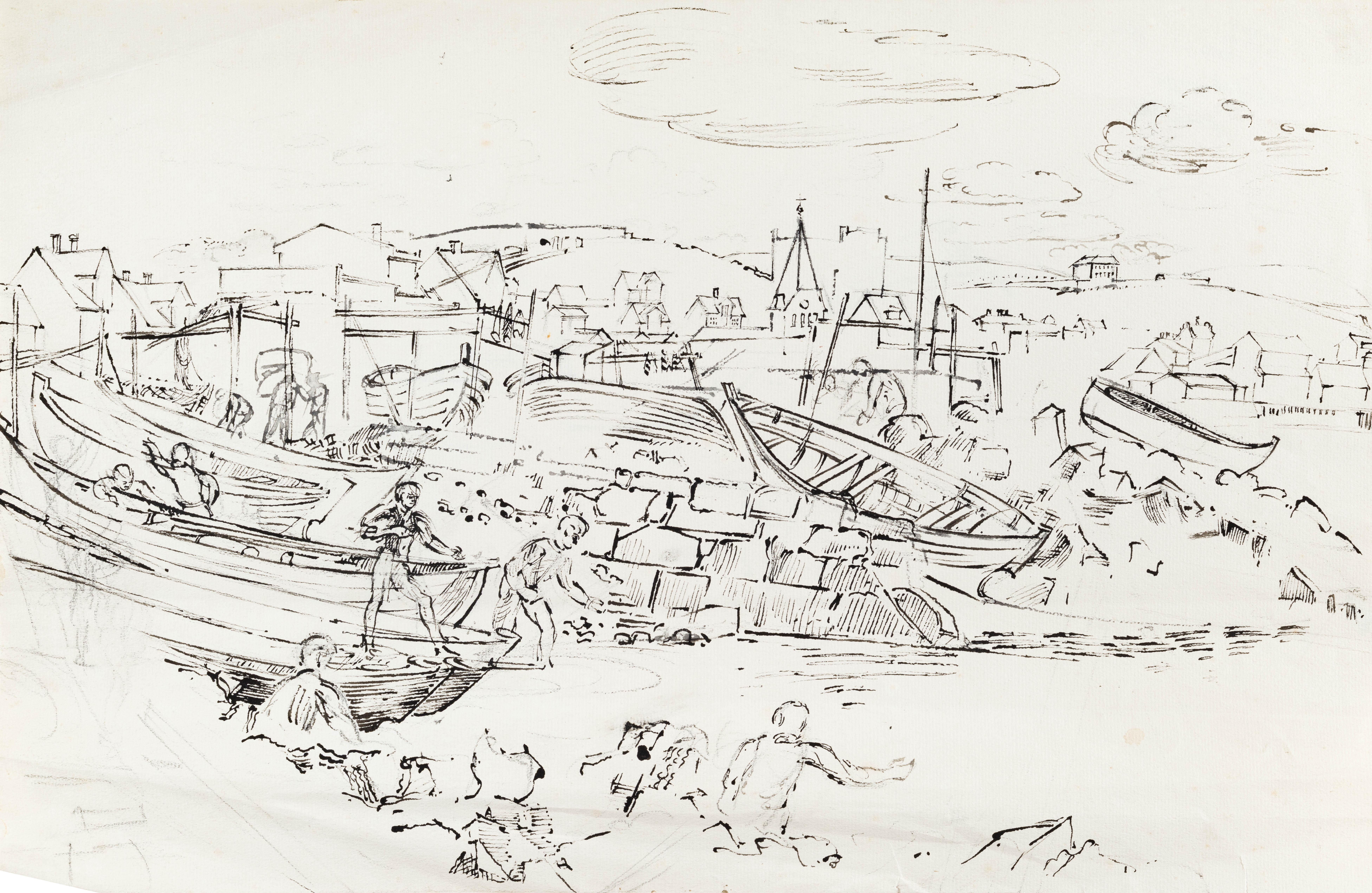
The Ministry of Information established the War Artists Advisory Committee (WAAC) in 1939, prompted by Sir Kenneth Clark, then Director of the National Gallery.
The WAAC met at the National Gallery once a month under the chairmanship of Clark (the committee included principals of London art schools and representatives from the government War Office). The WAAC operated with two very different goals—one public and strategic, the other private and protective.
The official goal was propaganda and morale, to 'promote Britain's image’. By documenting the Blitz, factory workers, and the front lines, the government could showcase British resilience to the world (especially the US) and keep domestic spirits high.
The unofficial goal was a fear of a generation of lost artists. Kenneth Clark was deeply haunted by the cultural vacuum left after WWI. He viewed the WAAC as a way to keep the country’s best creative minds away from the most dangerous front-line infantry roles, effectively ‘saving’ British culture from another mass extinction of talent. Despite these efforts, three artists, Eric Ravilious, Thomas Hennell and Albert Richards, were killed during the war.
During the war the National Gallery hosted regular exhibitions of these commissioned WAAC art works, often alongside lunchtime concerts. The Gallery’s own collection had been evacuated to the safety of Manod Quarry in Wales.
The legacy of the WAAC was of immense importance. By the end of the war, the WAAC had acquired 5,570 works by more than 400 artists. This collection didn't just serve as propaganda; it became the definitive visual record of the British experience of war. Much of this collection was eventually distributed to museums across the UK, with the bulk of it going to the Imperial War Museum.