(click image to enlarge)
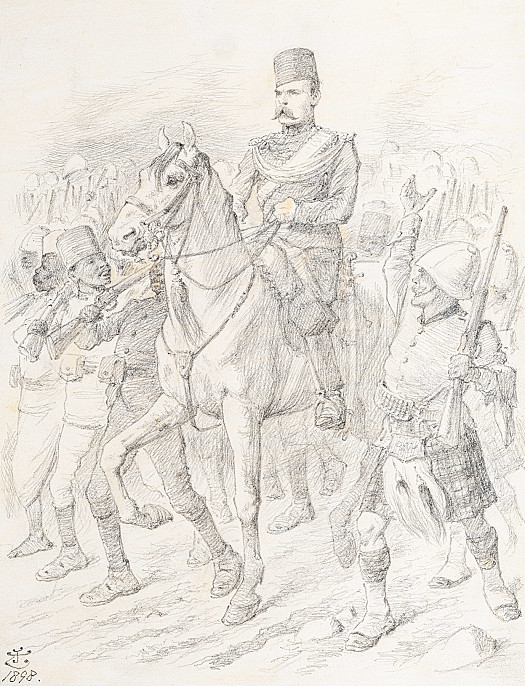
During the 19th century, following the French withdrawal from Egypt after the Napoleonic Wars, both France and Britain were able to maintain diplomatic and commercial ties with the country, through the actions of the Egyptian ruler Muhammad Ali and his grandson, Abbas I. By the 1870s, Egypt had fallen under corruption, mismanagement and increased European influence. A Commission of the Public Debt was established in 1876 to deal with the country’s debt, with its members nominated by the governments of France and Britain, as well as Austria and Italy. The same year, Egyptian revenues and expenses were put under the surveillance of a French and British controller, establishing a period of Dual Control in Egypt.
Growing civil unrest at the growing fiscal crisis and growing European influence reached a climax when an officer in the Egyptian military, Ahmad Urabi, launched a protest against the European control. Though he was briefly imprisoned, he was soon promoted to Minister of War in a newly formed rebel government. When riots against foreign nationals broke out in Alexandria in June 1882, both Britain and France intervened, with Britain launching an invasion the following month and defeating Urabi’s forces at the Battle of Tell El Kebir in September 1882.
Prime Minister William Gladstone almost immediately called for a British withdrawal from Egypt and the end of the Dual Control through the elimination of French influence, in order to prevent further need to intervene. However, many Liberals in opposition argued ongoing occupation was necessary to secure passage to the Indian colonies.
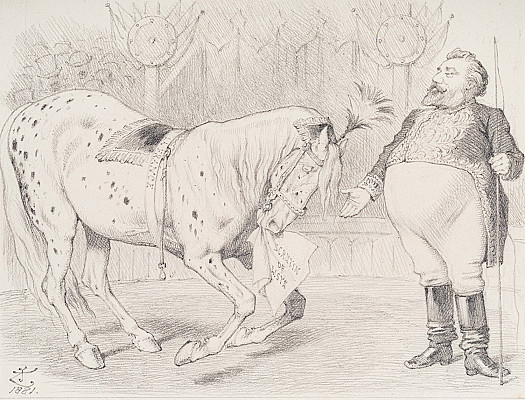
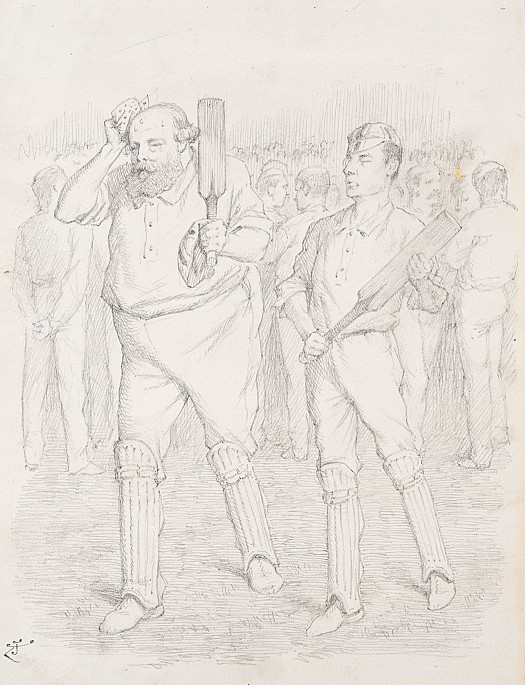
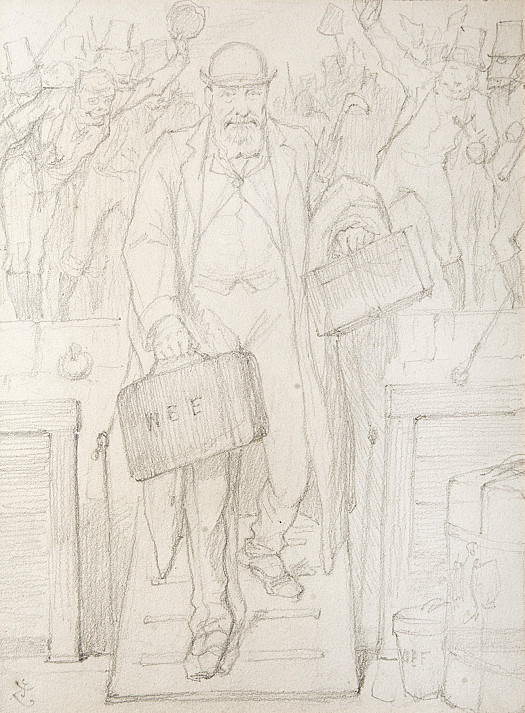
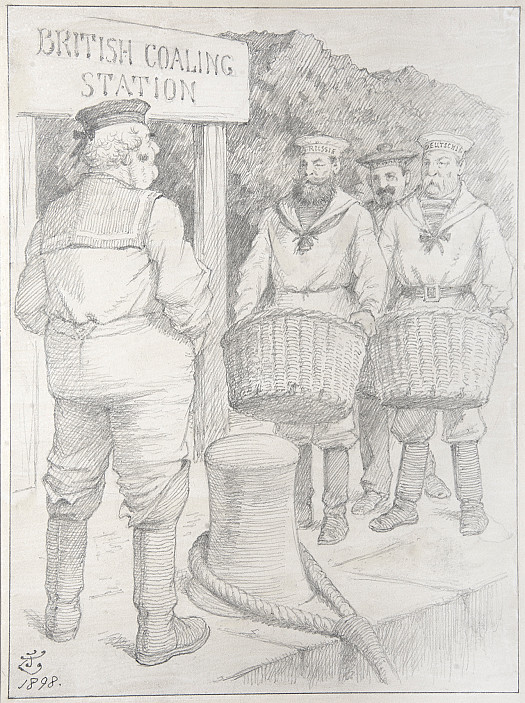
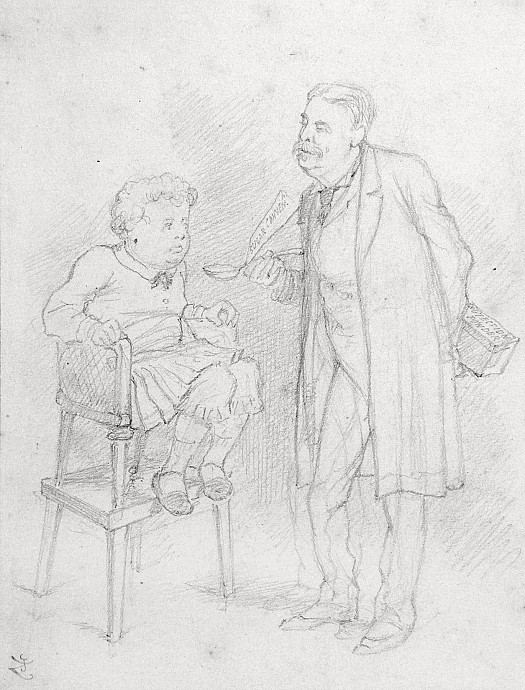
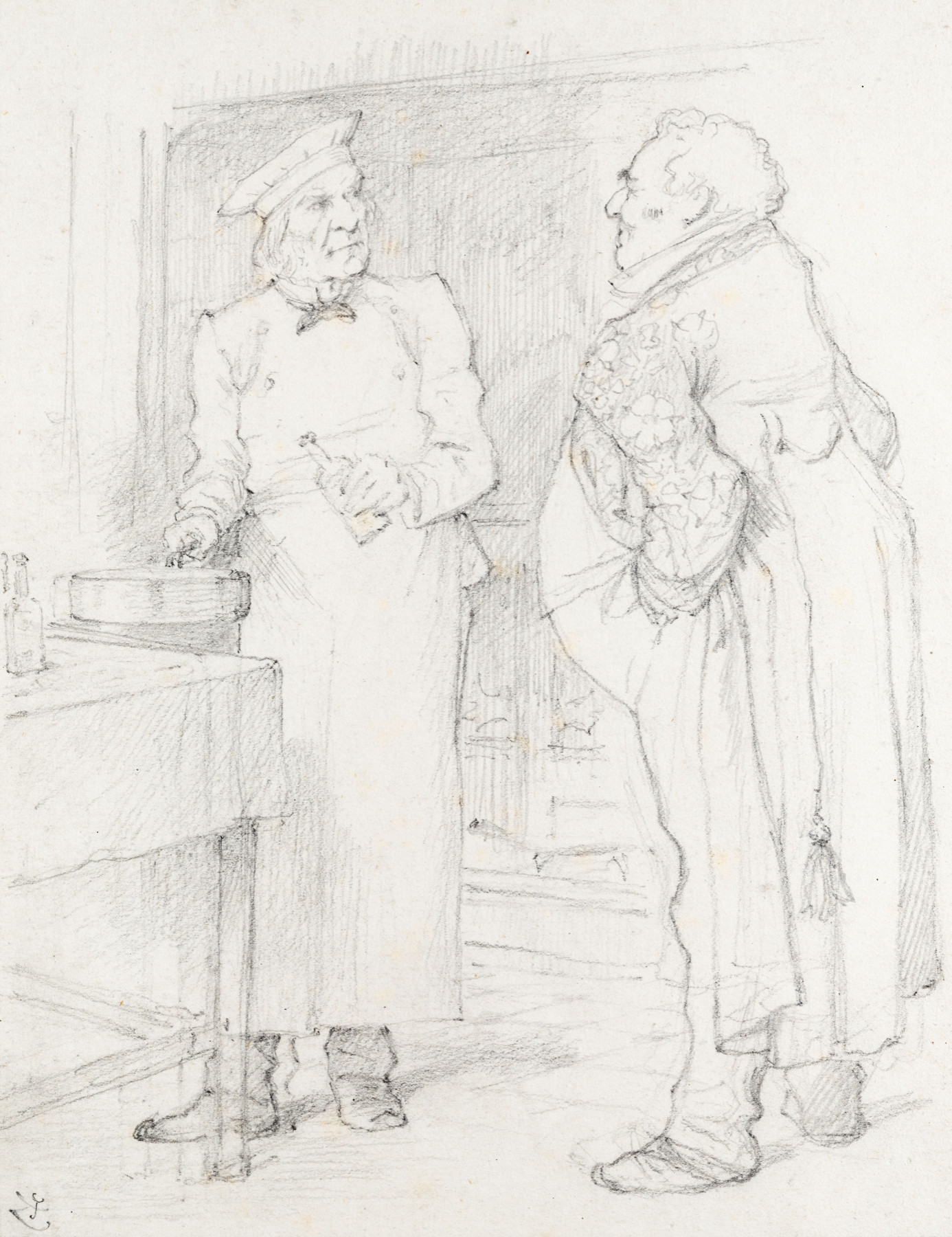
A conference was organised by the British and French governments to discuss the Egyptian Question and the country’s finances, due to be held on 28 June 1884. In Sir John Tenniel’s cartoon, published a week before the start of the conference, Prime Minister William Gladstone stirs the ‘Egyptian Hash’, while Sir John Bull suggests less French ‘sauce’ may be preferable. However, the conference was ultimately adjourned on its first day due to disagreements between the two countries regarding control over the Commission of the Public Debt.
8 & 10 Ryder Street, St James’s, London SW1Y 6QB
gallery@chrisbeetles.com
020 7839 7551
© Chris Beetles Ltd 2026 | Accessibility | Privacy | Sitemap